

A Ravenna day trip from Cesenatico pairs a regional train journey with a compact historic centre known for its early-Christian mosaics. Cesenatico station is 1.6 km from this three-star hotel in Cesenatico, making rail a practical option for the outing.
- Getting there: Ravenna Turismo confirms that Cesenatico is connected to Ravenna by train.
- Getting around: Almost all monuments in Ravenna’s historic centre can be reached on foot.
- Mosaic heritage: Seven of the city’s eight UNESCO World Heritage monuments preserve mosaics from the 5th and 6th centuries AD.
How do you get from Cesenatico to Ravenna?
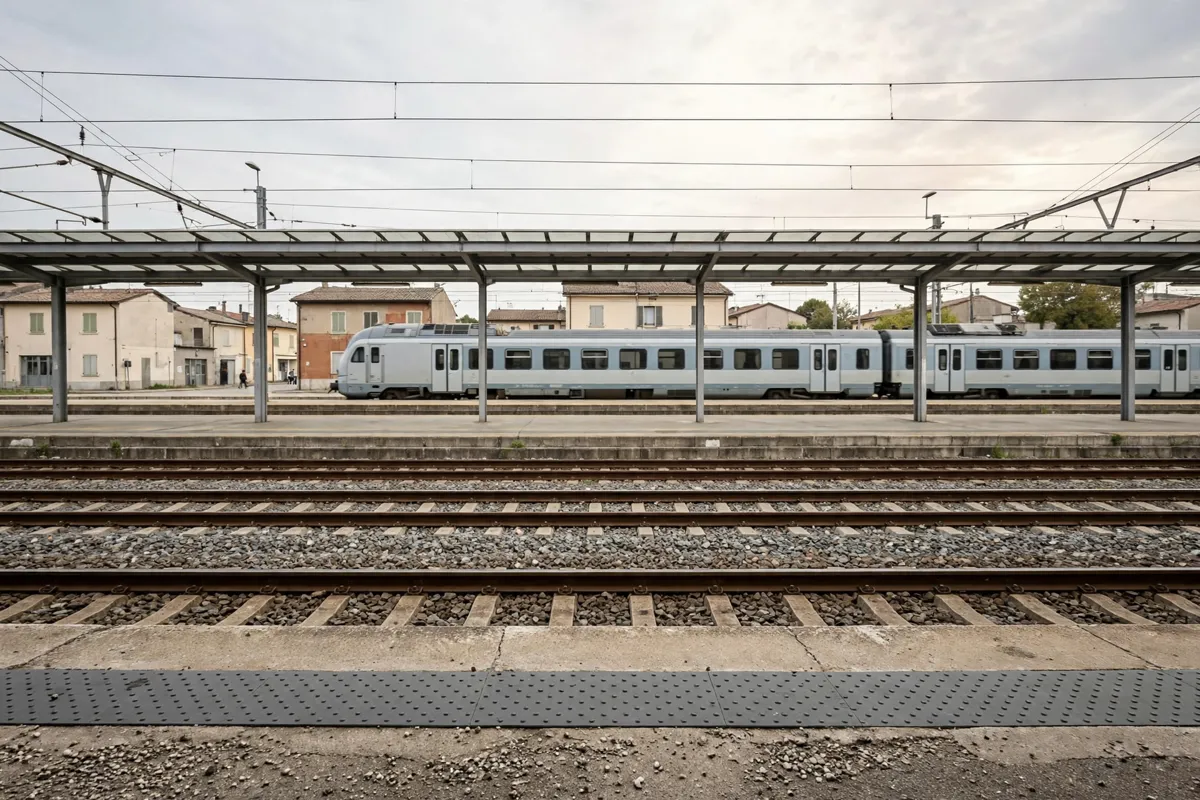
You can travel from Cesenatico to Ravenna by train, then explore the city centre on foot. Ravenna Turismo confirms the rail connection, but check the operator’s current timetable before you travel, as service times can change.
Once in Ravenna, the compact historic centre makes it straightforward to plan a day around its monuments without relying on a tourist bus; there are no tourist buses touring the monuments. If you’re arranging your departure from the coast, how to get from Cesenatico station to the hotel area covers the station connection.
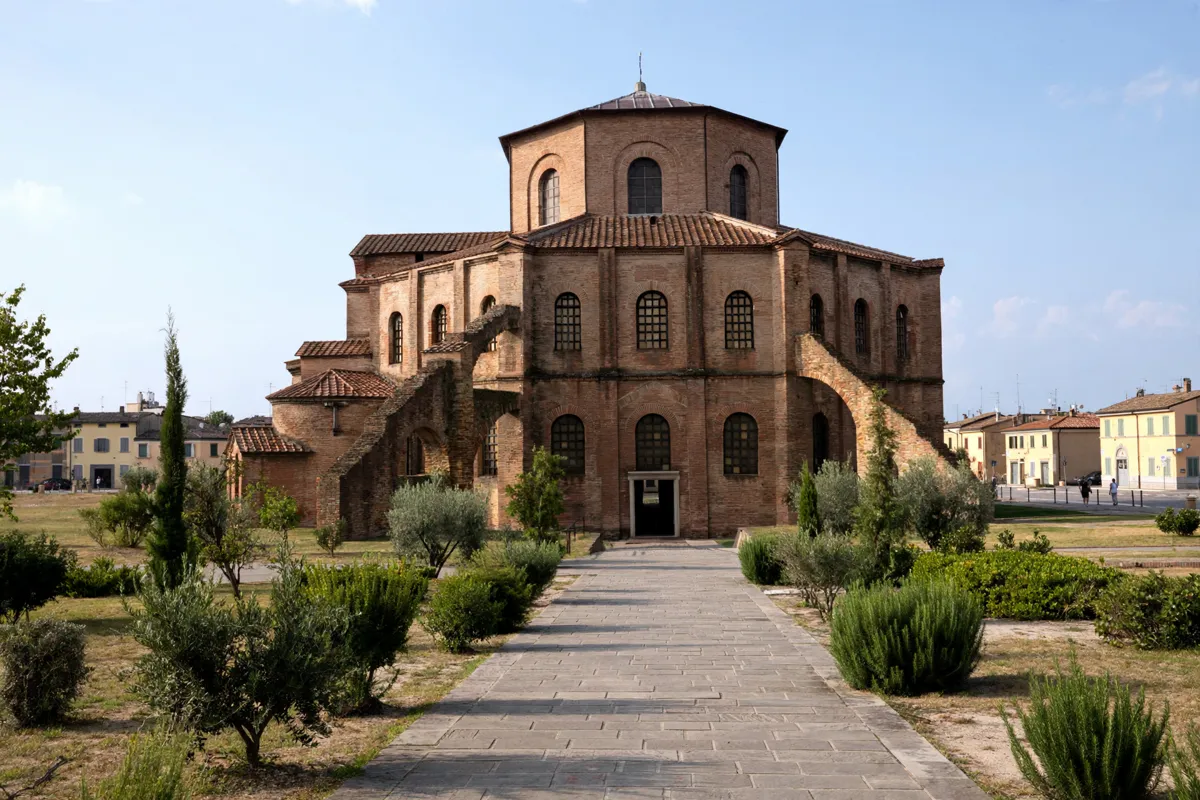
Planning a route around Ravenna’s mosaic sites
Ravenna’s mosaic sites are spread across a historic centre where almost all monuments can be reached on foot. Seven of the city’s eight UNESCO World Heritage monuments preserve early-Christian mosaics dating from the 5th and 6th centuries AD.
For a focused day, choose a small group of monuments rather than trying to cover every site. San Vitale and the Mausoleum of Galla Placidia are two of the city’s best-known mosaic highlights; other options include the Neonian and Arian Baptisteries, Sant’Apollinare Nuovo, the Archiepiscopal Chapel, Sant’Apollinare in Classe and the Domus of the Stone Carpets. Check each site’s location as you put together your walking order.
A guided itinerary can help organise several sites into one visit. Ravenna Turismo describes an “Essential experience” that includes the Neonian Baptistery, the Basilica of San Vitale and the Mausoleum of Galla Placidia; Sant’Apollinare Nuovo can be visited independently afterward.
A “Complete experience” adds the Chapel of Sant’Andrea in the Archiepiscopal Museum and Sant’Apollinare Nuovo to its itinerary. Tour contents and arrangements can change, so check Ravenna Turismo before you go.
Tickets and timed-entry considerations
Ticket rules differ by site and guided experience, so confirm what your chosen ticket covers before setting out. The Essential experience does not include the Archiepiscopal Museum or Chapel of Sant’Andrea; you can add them at the ticket office for €2, subject to available times.
If you want to visit several monuments, check whether a combined ticket fits your plans and verify its validity and entry conditions with Ravenna Turismo. Opening hours and admission arrangements can vary, so check the official site before you go.
Returning to Cesenatico
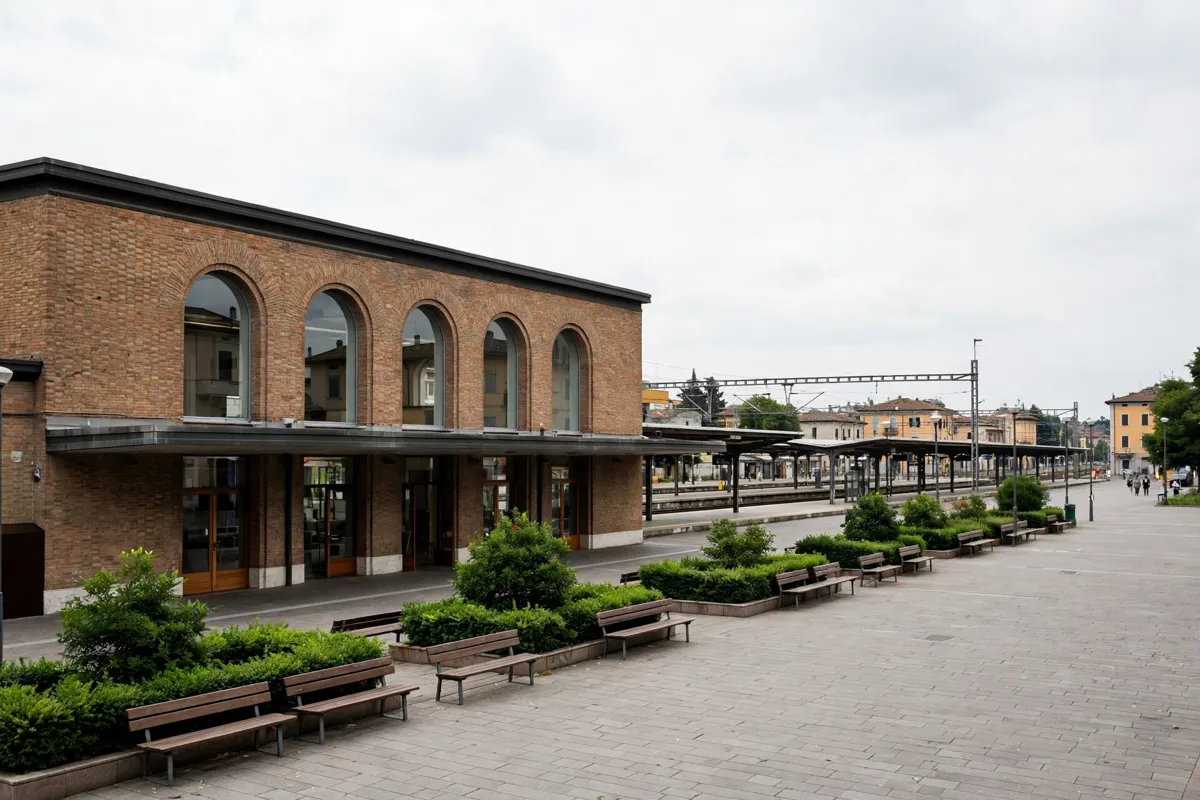
To return to Cesenatico by train, head back to Ravenna station and check the current timetable for your journey. Leave enough flexibility in your day to reach the station from the last monument; Ravenna’s historic centre is compact, but the sites are spread across it.
Ravenna’s centre is a limited-traffic zone, and vehicle access is restricted during specified time frames and monitored electronically. If you are moving around Cesenatico before or after the day trip, this guide to walking, buses and trains in Cesenatico explains the local options.
FAQs
Can you travel from Cesenatico to Ravenna by train?
Yes. Ravenna Turismo confirms that Ravenna can be reached by train from Cesenatico. Check the rail operator’s current timetable before travelling.
Can you visit Ravenna’s mosaic monuments on foot?
Yes. Ravenna’s historic centre is compact, and almost all monuments can be reached on foot.
How many UNESCO monuments preserve early-Christian mosaics?
Seven of Ravenna’s eight UNESCO World Heritage monuments preserve mosaics dating from the 5th and 6th centuries AD.